Job connections
We connect athletes with real job opportunities, so the discipline they build in sport turns into work and income.
 Playbook for The Mind
Get in touch
Mental resilience for athletes, by athletes
Train the mind like you train the body. Twelve guided team sessions that build pressure skills, self-awareness and real tools for life on and off the field.
This one is for the mind.
Handling it is a skill. You can train it like footwork, like a swing, like a first step.
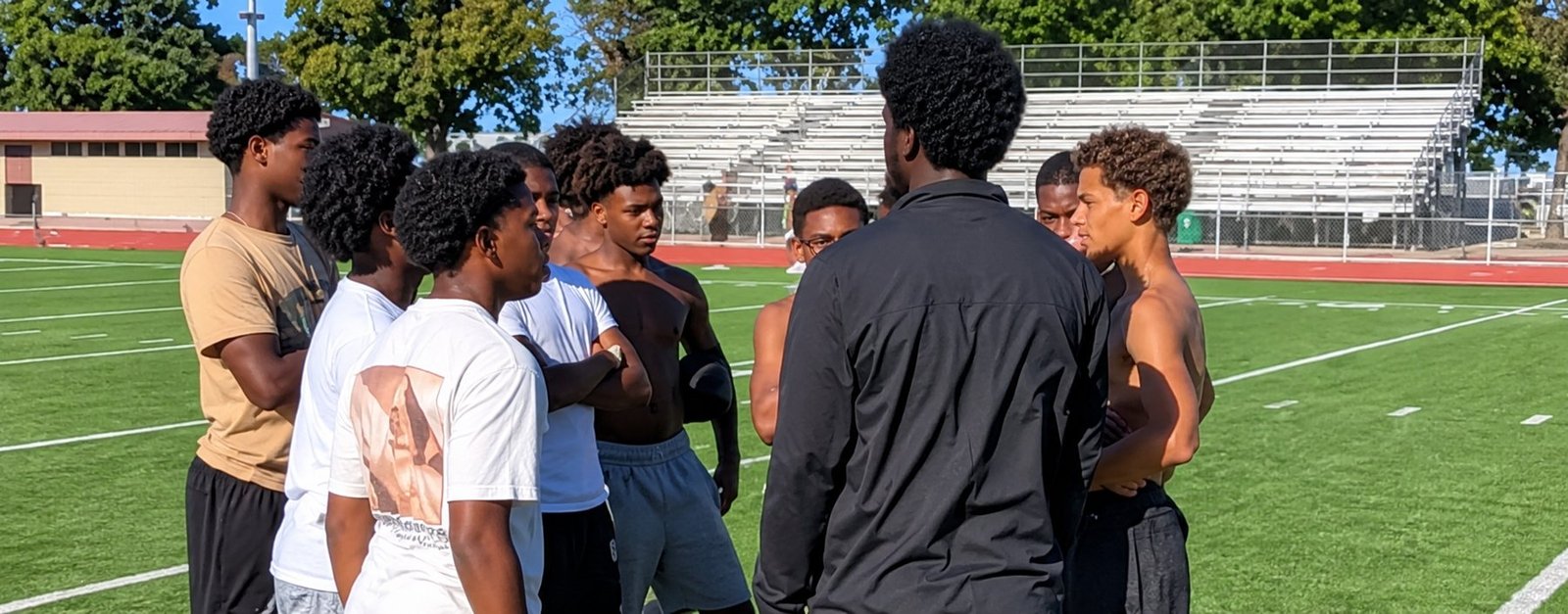
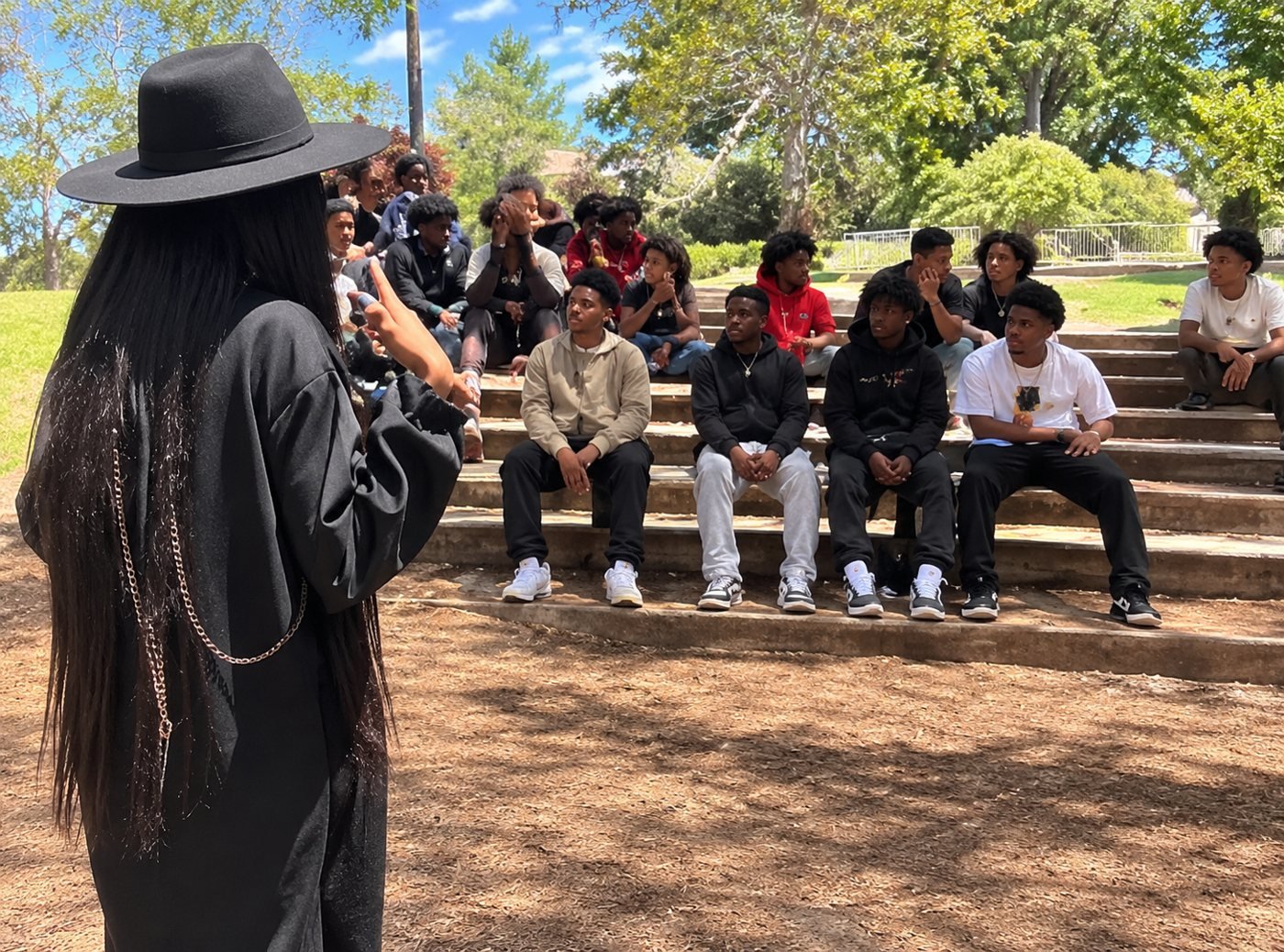
The slumps, the benchings, the injuries, the pressure at home. We have lived it, and we built the tools we wish we had.
Playbook for The Mind gives athletes support, guidance and personal growth: emotional and self-awareness practices, plus practical tools for the challenges they face on and off the field.
A program of Envision Youth Services, a nonprofit organization.
The playbook
Eleven skills, each one taught like a play: what it is, when to run it, and how to practice it until it holds up in a real moment.
Stay steady when the moment gets big: tryouts, playoffs, the last at-bat.
Bounce back from mistakes, losses, injuries and benchings.
Name what you feel before it makes the call for you.
Keep your head when a ref, a rival or a bad day tests you.
Simple breathing and grounding drills you can run anywhere.
Lock in on the next play instead of replaying the last one.
Think clearly and choose well, in the game and away from it.
Straight talk about drugs, alcohol and the pressure to use them.
Lead by example in the locker room, the classroom and your community.
Turn big goals into weekly steps you can track and hit.
Know who you are beyond the jersey, the stats and the scoreboard.
Inside a session
Each athlete names where they are, mentally and physically, before the work starts.
Honest, guided talk about what athletes actually face, led by people who have faced it.
Hands-on drills that build trust and put the skill into practice together.
A tool to take into the next game, class, job or hard conversation at home.
We connect athletes with real job opportunities, so the discipline they build in sport turns into work and income.
Athletes give back across Los Angeles, Compton and Long Beach, and learn what it means to lead where they live.
Practical guidance on sleep, stress, recovery and mental health that athletes keep long after the last session.
Who it's for
13–17
Middle and high school players handling pressure, playing time, school and growing up in the game.
18–25
College, JUCO and early-career athletes facing slumps, injuries, transitions and life after sport.
Coaches, schools and community programs. Bring Playbook to your whole team.
Bring it to your team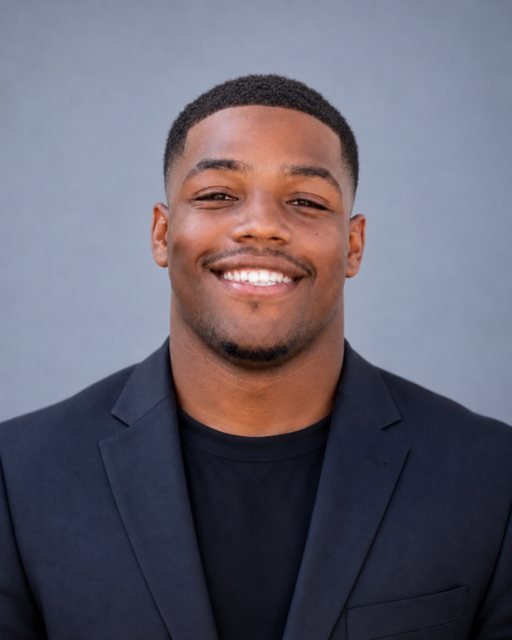
Meet the director
Program Director · Former Division I collegiate baseball player
Playbook for the Mind was inspired by my personal journey as a Division I collegiate baseball player. The program was born from the challenges I faced during COVID-19 and my freshman year of college.
Those experiences revealed the critical need for mental and emotional support in sports, inspiring me to help athletes build resilience, strengthen their mental performance, and navigate challenges both on and off the field.
Support the program
Your gift keeps Playbook running for athletes in Los Angeles, Compton and Long Beach. Your support helps young athletes build the mental side of their game.
Give securely through Zeffy
Every gift helps an athlete get in the room.
Choose any amount on our Zeffy donation page. Gifts go to Envision Youth Services, the nonprofit organization behind Playbook for The Mind.
Donate nowOpens our donation page on Zeffy in a new tab. Questions about giving? Call (562) 609-9787 or email Playbook@envisionyouthservices.org.
Athletes ages 13 to 17 and 18 to 25, in any sport. Coaches, schools and community programs can also bring Playbook to a whole team.
Every session has four parts: a mindful check-in, a facilitated conversation, a group activity, and real-world skill building athletes take with them.
The program is 12 guided team sessions. Each one focuses on skills like managing pressure, focus, leadership, goal setting and identity.
In Los Angeles, Compton and Long Beach, with teams, schools and community programs.
No. Playbook is mental skills training and mentorship led by people who have competed. It does not replace counseling or medical care.
Send us a message below or call (562) 609-9787. Tell us about the athlete or team, and we will take it from there.
Athletes, parents and coaches: tell us who you are and what you're looking for. We'll get back to you about joining the program or bringing it to your team.
Los Angeles · Compton · Long Beach